
7 Organs That Benefit From Weight Loss Surgery
Discover how gastric sleeve and gastric bypass surgery may benefit your heart, liver, pancreas, kidneys, lungs, brain, and reproductive health.
PATIENT EDUCATION · METABOLIC HEALTH
Gastric sleeve and gastric bypass can do more than change the number on the scale. Explore the potential health improvements happening inside your body.
HEALTH FROM WITHIN
More Than a Physical Transformation
Obesity is a chronic disease that can affect nearly every organ system. Metabolic and bariatric surgery may improve type 2 diabetes, cardiovascular risk factors, fatty liver disease, obstructive sleep apnea, and other obesity-related conditions. [1, 2, 4]
Benefits differ between individuals, and surgery is not a guaranteed cure. Here are seven important organs and organ systems that may benefit. [2, 5]
ORGAN 01
The Heart
Improving cardiovascular health
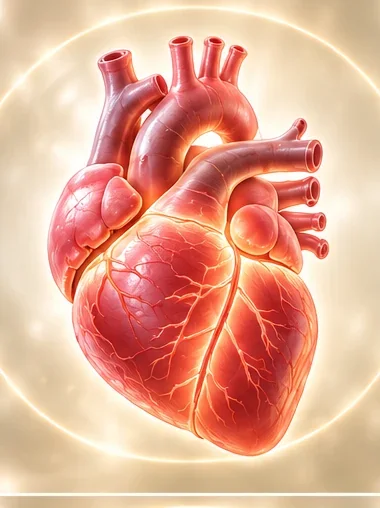
*Anatomical illustration · educational*
Excess body weight can contribute to high blood pressure, abnormal cholesterol levels and cardiovascular disease. After metabolic surgery, many patients experience improvements in blood pressure, blood glucose and lipid levels. Large observational studies also associate surgery with fewer cardiovascular events, although outcomes vary. [1, 2, 5]
ORGAN 02
The Liver
Reducing fatty liver disease
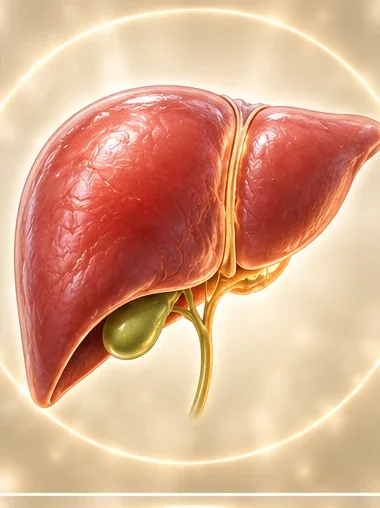
*Anatomical illustration · educational*
Metabolic dysfunction-associated steatotic liver disease (MASLD) is common among people living with obesity. Significant weight loss after bariatric surgery can reduce liver fat and inflammation; some patients with steatohepatitis also experience improvement in liver scarring. Advanced liver disease requires specialist assessment. [1, 2, 5]
ORGAN 03
The Pancreas
Better type 2 diabetes control
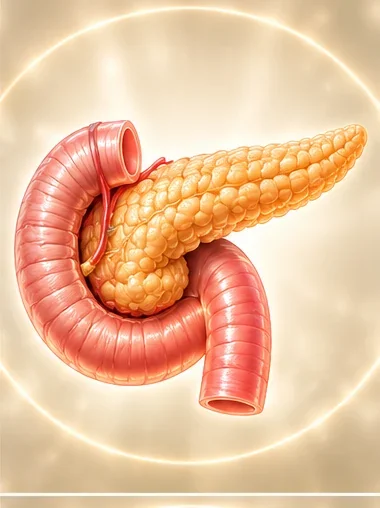
*Anatomical illustration · educational*
Metabolic surgery can improve insulin sensitivity and gut-hormone signaling, sometimes before major weight loss occurs. Both sleeve gastrectomy and Roux-en-Y gastric bypass may substantially improve blood sugar levels, reduce medication requirements, or lead to diabetes remission. Remission is not necessarily a permanent cure. [1, 3, 5]
ORGAN 04
The Kidneys
Protecting kidney health
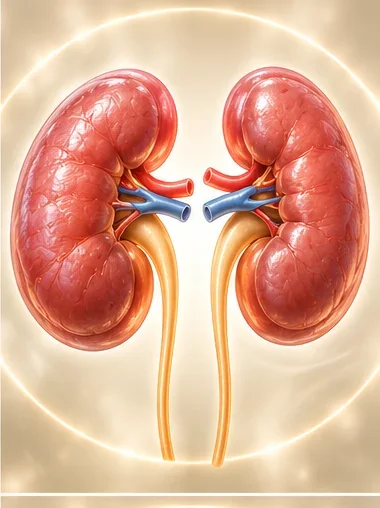
*Anatomical illustration · educational*
Improvements in blood pressure and type 2 diabetes after bariatric surgery may help reduce the risk of progressive kidney disease. However, kidney stones and dehydration remain important concerns, particularly after some bypass procedures. Kidney function and fluid intake require ongoing attention. [1, 2, 5]
ORGAN 05
The Lungs
Breathing and sleep apnea
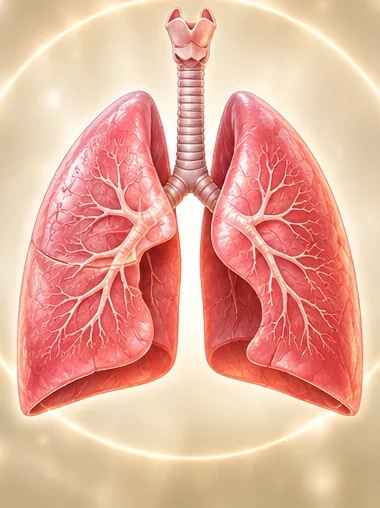
*Anatomical illustration · educational*
Excess weight can limit chest-wall movement and worsen obstructive sleep apnea. Weight reduction after bariatric surgery often improves breathing during activity and can reduce sleep apnea severity. Sleep apnea may persist, so patients should not discontinue CPAP without reassessment. [1, 2, 5]
ORGAN 06
The Brain
Supporting vascular and neurological health

*Anatomical illustration · educational*
By improving diabetes, blood pressure and other cardiovascular risk factors, bariatric surgery may help reduce long-term stroke risk. Nutritional deficiencies—particularly vitamin B1 and B12 deficiencies—can also harm the nervous system, which is why lifelong supplementation and follow-up are essential. [1, 2, 4]
ORGAN 07
Reproductive Organs
Hormonal and reproductive health
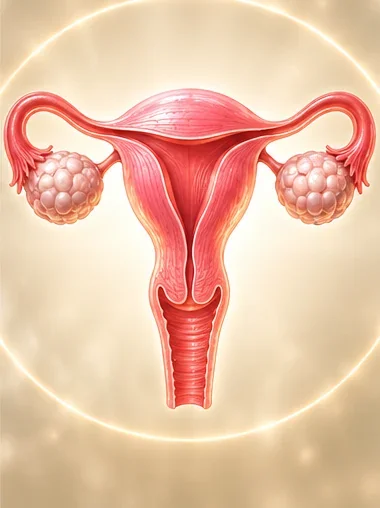
*Anatomical illustration · educational*
Weight loss and improved insulin resistance may help restore more regular ovulation and menstrual cycles in some women with obesity or polyendocrine metabolic ovarian syndrome (PMOS, formerly known as PCOS). Some men also experience improvements in reproductive hormone profiles. Fertility may increase after surgery, so contraception and pregnancy planning matter. [1, 6]
CHOOSING YOUR PROCEDURE
Gastric Sleeve vs. Gastric Bypass
Both operations can produce substantial weight loss and metabolic improvements, but the most appropriate choice depends on your health history, reflux symptoms, diabetes, and nutritional considerations. [1, 5]
| Health consideration | Gastric sleeve | Gastric bypass |
|---|---|---|
| Type 2 diabetes | Can improve or remit | Can improve or remit; often strong metabolic effect |
| Cardiovascular risk | May improve | May improve |
| Fatty liver disease | May improve | May improve |
| Sleep apnea | Often improves | Often improves |
| Acid reflux | May worsen | Often improves |
| Nutrient monitoring | Lifelong | Lifelong; some deficiencies more common |
EVIDENCE-BASED EDUCATION
References
- ASMBS/IFSO (2022). Indications for Metabolic and Bariatric Surgery — Published October 21, 2022 (guideline); November 7, 2022 (journal version).
- NIDDK. Benefits of Weight-loss Surgery — Publication date not specified on source page.
- NIH (2024). Bariatric Surgery Provides Long-Term Blood Glucose Control and Type 2 Diabetes Remission — Published February 27, 2024.
- ASMBS. Benefits of Metabolic and Bariatric Surgery — Publication date not specified on source page.
- O'Brien et al. / ASMBS–IFSO. Evidence on obesity-related diseases and long-term outcomes (clinical guidelines) — Published November 7, 2022 (same guideline as reference 1).
- American Society for Reproductive Medicine (ASRM). PCOS Is Now PMOS: Understanding the Name Change — Published May 27, 2026.
*The organ visuals are original AI-generated anatomical illustrations for education, not diagnostic images. Image sources: Wikimedia Commons and educational anatomical models.*