Hydration After Weight Loss Surgery
Learn how much water to drink after gastric sleeve or gastric bypass surgery, dehydration warning signs, and practical hydration tips for bariatric recovery.
Weight loss surgery is a significant step toward improved health. But long-term success depends on everyday habits, and staying hydrated is among the most important. After gastric sleeve, gastric bypass, or other bariatric procedures, your smaller stomach makes it harder to drink large amounts at once. Regular, small sips become essential.
Why hydration matters
Fluids support normal circulation, kidney function, digestion, temperature regulation, and recovery. Drinking enough can help reduce constipation, headaches, fatigue, and dehydration-related complications. Adequate fluid intake is particularly important during the early postoperative period, when nausea and reduced stomach capacity may make drinking difficult.
How much should you drink?
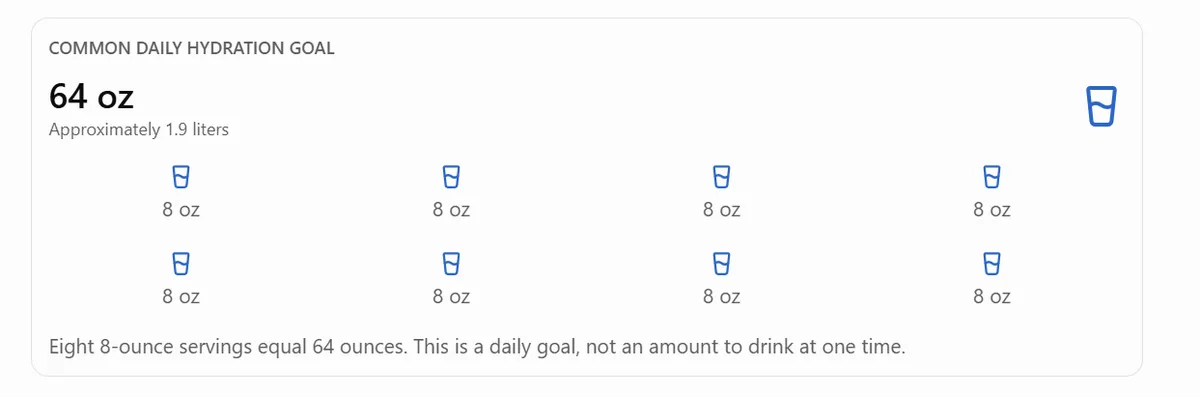
Many bariatric programs recommend aiming for at least 64 ounces of fluids per day as tolerated. Your surgeon or dietitian may set a different target based on your stage of recovery, medical conditions, and activity level. Immediately after surgery, begin with the small amounts and progression specifically prescribed by your team; do not force large volumes.
Signs of dehydration
- Dark urine or urinating less often
- Dry mouth, thirst, or cracked lips
- Headache, dizziness, or lightheadedness
- Unusual fatigue or weakness
- Fast heartbeat or persistent nausea
Five hydration habits that help

1. Sip slowly and often
Take frequent small sips rather than gulping. Drinking quickly may cause pressure, nausea, or discomfort.
2. Follow your meal-and-fluid timing instructions
Many programs advise separating drinking from meals, often by about 30 minutes. Follow your own bariatric team's schedule, as instructions vary by procedure and recovery stage.
3. Keep a measured bottle nearby
A marked bottle or phone tracker can help you see your progress toward your daily fluid goal.
4. Choose practical beverages
Water is a great primary choice. Sugar-free, noncarbonated beverages, approved electrolyte drinks, and decaffeinated teas may add variety. Follow your care team's guidance about caffeine, carbonation, alcohol, and drinks containing sugar.
5. Make drinking part of your routine
Set gentle reminders and begin sipping early in the day. You may need additional fluids during hot weather or activity, as directed by your medical team.
Common hydration challenges
Water feels uncomfortable: Try smaller sips or a different temperature, and discuss persistent discomfort with your team.
Constipation: Inadequate fluids can contribute, alongside reduced food intake, iron supplements, and some pain medicines.
Fatigue or headaches: These can be associated with dehydration, but they can have other causes; persistent symptoms deserve assessment.
Kidney stones: Staying hydrated helps lower the risk of stone formation, which is particularly relevant after certain bariatric procedures.
Does water help with weight loss?
Water does not directly burn fat, but choosing it instead of sugar-sweetened drinks can reduce calorie intake. Good hydration also helps patients stay active and follow their nutrition plans. Lasting results still depend on adequate protein, appropriate food choices, movement, sleep, and medical follow-up.
A lifelong healthy habit
Hydration is not only an early recovery goal. Small, steady sips and awareness of your body's needs can support long-term health after bariatric surgery. At Dr. Sergio Quiñones Metabolic Surgery Center, our team encourages patients to follow individualized postoperative guidance and reach out when they need support.
Questions about your recovery?
Our patient coordination and nutrition team can help you understand your postoperative instructions.
Nutrition support: +1 (858) 439-7788 WhatsApp: +1 (858) 439-7931 Email: contact@pompeii-surgical.com
Medical references
- American Society for Metabolic and Bariatric Surgery (ASMBS). *Life After Bariatric Surgery.* ASMBS patient guidance.
- Mayo Clinic. *Gastric bypass diet: What to eat after the surgery.* Mayo Clinic.
- UCSF Health. *Dietary Guidelines After Bariatric Surgery.* UCSF Health.
- National Library of Medicine, Endotext. *Medical Management of the Post Operative Bariatric Surgery Patient.* NCBI Bookshelf.
Medical disclaimer: This article provides general education and does not replace personalized medical advice. Fluid targets and diet progression should be determined by your bariatric team, especially if you have kidney, heart, or other conditions requiring fluid restrictions.